- A fresh assessment from the Pentagon intelligence wing reveals that Iran continues to retain its key military capabilities, contradicting official claims that its forces were decimated.
- Intelligence officials report that roughly half of Iran's ballistic missiles and two-thirds of its air force remain operational following the February 2026 U.S.-Israeli strikes.
- Despite a blockade and Operation Epic Fury, the IRGC naval units remain largely intact and continue to pose a significant threat to maritime traffic in the Strait of Hormuz.
- Oil markets have reacted sharply to the continued instability, with Brent crude prices peaking at 126 dollars per barrel due to the ongoing maritime crisis.
- Experts note that Iran's asymmetric warfare units are designed to survive high-intensity strikes, allowing them to maintain regional disruption capabilities.
Pentagon intelligence report indicates Iran retains key military capabilities despite recent strikes
Apr 22, 2026, 3:55:39 PM UTC(21 hours ago)
Impact: Medium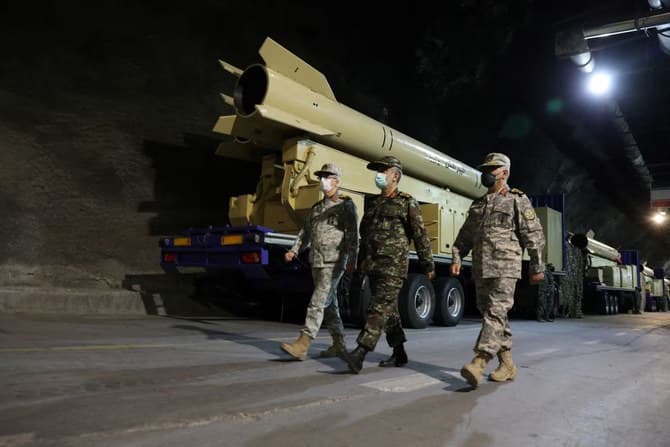
Affected Assets
Sources
From:@DeItaone
INTELLIGENCE SAYS IRAN MILITARY STILL FAR FROM “DESTROYED”
U.S. intelligence officials say Iran retains significantly more military capability than publicly acknowledged by the White House and Pentagon.
According to sources, roughly half of Iran’s ballistic missiles, much of its IRGC naval forces, and about two-thirds of its air force remain operational despite recent U.S.-Israeli strikes.
While Washington claims Iran’s forces have been “decimated,” intelligence assessments say Iran still has the ability to threaten regional shipping, including in the Strait of Hormuz, and retain thousands of missiles and drones.
Officials also note that Iran’s IRGC naval units, designed for asymmetric warfare, remain largely intact and continue to disrupt maritime traffic.
